
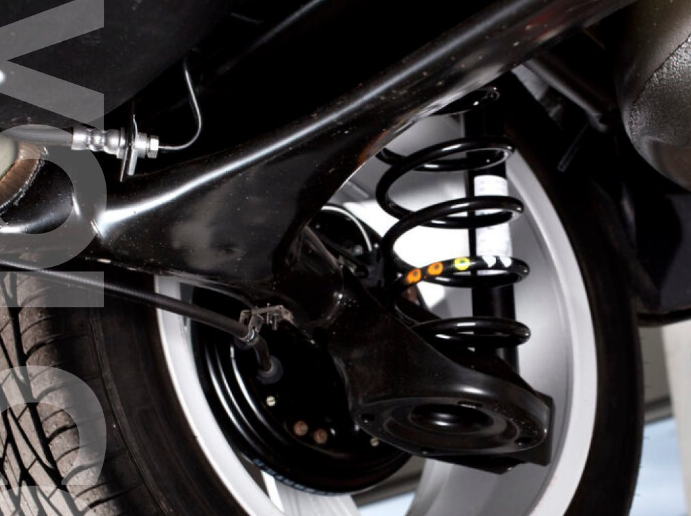
Why Shock Absorbers Matter More Than You Think
Shock absorbers do much more than provide comfort. They are safety components that help your tires grip the road and allow you to steer and brake confidently. When they fail, your vehicle’s handling changes in ways you might not immediately notice, but that can quickly lead to unsafe driving conditions.
Healthy shocks:
- Keep your tires firmly planted on the road, even on rough surfaces.
- Control weight transfer during braking and acceleration.
- Reduce tire wear by keeping pressure evenly distributed.
- Stabilize your car when turning, stopping, or hitting bumps.
When they go bad, you’ll begin to feel vibration, lose steering precision, and experience longer stopping distances. Spotting these symptoms early can save you from bigger suspension repairs later on.

1. Excessive Bouncing After Hitting Bumps
A properly working shock absorber keeps your car stable after hitting a bump. If your vehicle continues to bounce up and down several times, that’s a clear sign the shocks are worn.
To test this, push down firmly on one corner of the car and release. If the car bounces more than twice, the shocks can no longer control movement effectively. This constant bouncing not only makes rides uncomfortable but also reduces tire traction, which can lead to loss of control on uneven roads or at higher speeds.
2. Nose Diving When Braking
If your car’s front end dips or “dives” forward when braking, your front shocks may be worn out. This happens because they can no longer handle the forward weight transfer that occurs when you slow down.
Nose diving is dangerous because it lengthens your stopping distance and increases the risk of skidding or losing control in an emergency stop. It’s also a warning that your shocks are no longer balancing the vehicle’s weight properly, which puts extra stress on your brakes and tires.
3. Uneven or Cupped Tire Wear
Bad shocks can cause uneven tire wear, often showing up as “cupping” or patchy bald spots on your tires. This happens because the tires lose consistent contact with the road as they bounce.
If you notice these irregular wear patterns, your suspension is not keeping your tires steady. Replacing tires without fixing worn shocks will only waste money because the new tires will wear out quickly in the same pattern.
4. Poor or Unstable Steering
When shocks are failing, the steering wheel often feels loose or less responsive. You may notice your vehicle swaying when turning, drifting on straight roads, or needing constant correction to stay centered.
This instability happens because shocks help balance the car’s weight when cornering or driving over uneven ground. If the shocks cannot do their job, steering becomes unpredictable, especially at highway speeds or during strong crosswinds.
This is one of the most serious symptoms of worn shocks because it affects your ability to stay in control.
5. Rear-End Squatting When Accelerating
If the back of your car sinks down when you accelerate, it’s a sign the rear shocks are weak. This is often called “rear-end squat.”
It occurs because the shocks can’t control the rearward weight transfer that happens when power is applied. The result is poor traction on the front tires, making the steering feel light and unstable. You may also notice your headlights tilt upward, which can blind other drivers at night.
Replacing the rear shocks restores balance and improves acceleration stability.
6. Vehicle Swerving or Body Roll on Turns
A healthy suspension keeps your car level when turning. If your car leans to one side or feels like it’s “rolling” through corners, the shocks are likely worn out.
Excessive body roll makes your car harder to control and can even cause it to slide or lose grip during sudden maneuvers. This problem is most noticeable when merging onto a highway, changing lanes quickly, or taking sharp turns.
Replacing the shocks will make your car feel more planted and predictable through corners.
7. Strange Noises Over Bumps
If you hear clunking, rattling, or squeaking when driving over rough roads, your shocks may be worn or damaged. The internal parts of the shock or its mounting bushings might be loose.
Noises from the suspension area mean components are moving more than they should. If ignored, these vibrations can wear down springs, struts, or even steering parts, leading to costly repairs. Always have noises checked promptly before they turn into bigger problems.
8. Leaking Fluid on the Shock Body
Shocks contain hydraulic fluid that helps them absorb motion. If you see oil or wet streaks on the outside of the shock, that fluid is leaking out.
Once the fluid leaks, the shock loses its ability to control the car’s motion. You’ll feel a bouncier ride, more vibration, and less control over bumps. Leaks are one of the clearest signs your shocks need to be replaced immediately.
9. Steering Wheel Vibration
If your steering wheel vibrates even on smooth roads, it might not always be a tire problem. Worn shocks can’t absorb small vibrations, causing them to travel through the suspension and into the steering column.
This can make long drives tiring and affect your confidence when steering. Over time, it can also cause extra wear on other suspension parts.
10. Longer Braking Distances
Bad shocks directly affect how quickly your car stops. During braking, good shocks keep your tires firmly in contact with the road. When they are worn, the tires can lose grip, increasing the distance needed to stop safely.
If your car takes longer to stop or feels unstable when braking, it’s a serious safety concern. Replacing worn shocks restores braking efficiency and reduces stopping distance.
How to Check for Worn Shocks
You can identify worn shocks yourself with these quick checks:
- Do a bounce test: Press down on one corner and release. More than two bounces mean bad shocks.
- Look for leaks: Fluid or oil around the shocks indicates failure.
- Inspect tire wear: Uneven or cupped tires suggest suspension issues.
- Feel for instability: If your car sways, drifts, or takes longer to stop, have it checked professionally.
Most shocks last between 50,000 and 100,000 miles, depending on driving conditions. Rough roads, heavy loads, and frequent braking wear them out faster.
What Happens If You Ignore Bad Shock Absorbers
Ignoring worn shocks can lead to several serious problems:
- Reduced braking power and longer stopping distances
- Premature tire wear and blowouts
- Unstable steering and control at high speeds
- Damage to suspension parts, including struts and springs
While you can still drive with bad shocks, doing so increases your risk of accidents and raises future repair costs. It’s always best to replace them before other components are affected.
What to Do if Your Shock Absorbers Are Bad
If you suspect your shocks are bad:
- Schedule a professional inspection to confirm the problem.
- Replace shocks in pairs (both front or both rear) for even balance.
- Use quality parts designed for your specific vehicle.
- Have your alignment checked after installation to prevent uneven tire wear.
Once new shocks are installed, you’ll immediately notice smoother handling, better braking, and improved ride comfort.
How to Prevent Shock Wear
While all shocks wear out over time, you can make them last longer by:
- Avoiding potholes and rough roads whenever possible.
- Reducing speed over speed bumps.
- Not overloading your vehicle beyond its capacity.
- Checking suspension components during routine maintenance.
Good driving habits combined with regular inspections help your shocks last longer and keep your car safer.
Conclusion: Keep Your Ride Smooth and Safe
The symptoms of bad shock absorbers are easy to recognize if you know what to look for. Bouncing after bumps, nose diving, uneven tires, poor steering, and fluid leaks are all signs that your shocks need attention.
By catching these problems early, you protect your tires, improve your braking, and keep your vehicle stable on every drive. Replacing worn shocks restores smooth handling and peace of mind, making your car safer and more comfortable for everyone inside.
A stable car is a safe car. Keep your suspension healthy, and every ride will feel solid, smooth, and secure.


