
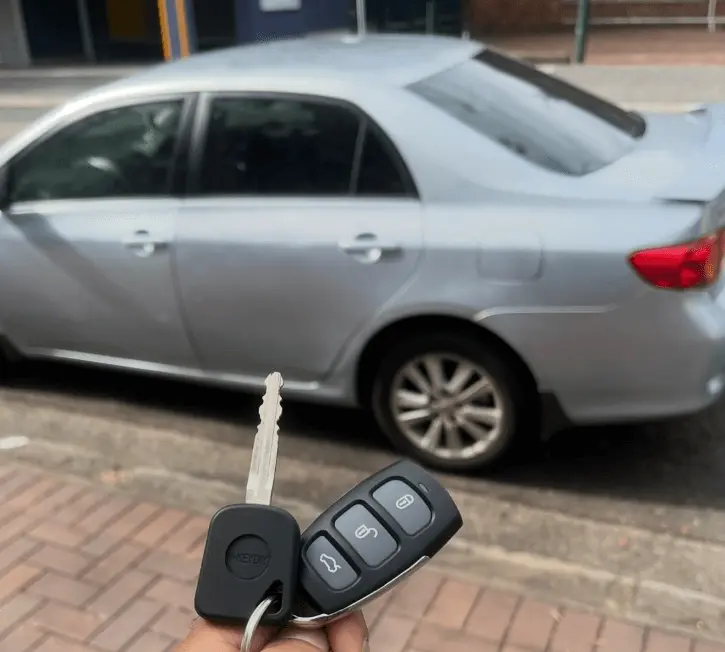
How Remote Car Keys Work
Remote car keys, often called key fobs, use wireless signals to talk to your vehicle. When you press the unlock button, the fob sends out a short radio signal. Your car’s receiver picks up that signal and triggers the door locks to open.
This system is quick and convenient, but it only works if every part of the chain is functioning. If the battery inside the fob is weak, if the signal gets interrupted, or if the car’s receiver has an issue, the doors won’t respond. That’s why problems can be as simple as swapping out a small coin battery or as complex as dealing with faulty wiring or electronic modules inside the car.
Common Reasons Your Car Remote Won’t Unlock
When your key fob suddenly stops working, it’s usually because of one of a few common issues. Some are simple enough to fix at home in minutes, while others may need professional help. Let’s go through each one in detail.
1. Dead Key Fob Battery
The number one reason your car remote won’t unlock is a dead battery inside the key fob. These small coin-style batteries only last about one to two years. As they run low, you may notice the remote works only sometimes, or only when you’re standing close to the car. That’s a clear warning sign that the battery is failing.
How to fix it: Replace the coin battery with the correct size for your key fob. Most auto parts stores and even big-box retailers sell them for just a few dollars. Swapping the battery is quick, and in most cases, this immediately restores normal function.
2. Signal Interference
Key fobs rely on radio signals to communicate with your car. Sometimes those signals get blocked or weakened by outside factors. Standing near a radio tower, inside a crowded parking garage, or close to certain Wi-Fi and electronic devices can prevent the signal from reaching your vehicle.
How to fix it: Move a few steps away from large metal structures, heavy electronics, or areas with lots of wireless signals. Then try pressing the button again. If it works after moving, the problem was interference, not your key fob..
3. Worn-Out Buttons
Over time, the buttons on a key fob get worn down. Repeated pressing can make the rubber pad lose its shape, and the electrical contacts inside may stop making a connection. If the unlock button feels “mushy,” stiff, or unresponsive, the fob itself may be wearing out.
How to fix it: In some cases, you can buy a repair kit with new buttons or replace the fob casing. If the problem continues, you’ll likely need a new key fob altogether.
4. Weak or Dead Car Battery
Sometimes the issue has nothing to do with the remote. If your car’s main battery is weak or fully drained, the power locks will not respond even though the key fob is sending a signal. Other warning signs of a failing car battery include dim headlights, flickering dashboard lights, or difficulty starting the engine.
How to fix it: Test your car battery with a voltmeter, or take it to an auto parts store where they can check it for free. If the battery is low, jump-starting the car or replacing the battery should restore the locks and other electrical functions.
5. Damaged Receiver Inside the Car
Every car has a receiver that listens for the signal from your key fob. If that receiver becomes damaged, it will not recognize the unlock command even if the remote is working correctly. Receivers can fail because of wiring issues, water damage, or internal electronic faults.
How to fix it: This type of problem usually requires professional help. A mechanic or dealership can run diagnostic tests to confirm whether the receiver is faulty and then repair or replace it if necessary.
6. Remote Needs Reprogramming
After a battery change, software reset, or electrical glitch, your key fob may “forget” its connection to the car. When this happens, pressing the unlock button won’t trigger anything because the car no longer recognizes the signal.
How to fix it: Many cars allow you to reprogram the fob yourself by following a sequence in the owner’s manual. If that doesn’t work, a dealership or automotive locksmith can reprogram the fob for you, usually in just a few minutes.
7. Physical Damage to the Fob
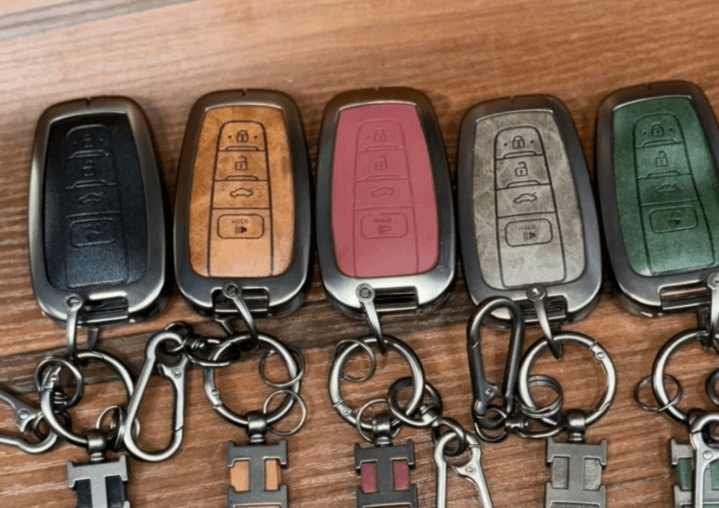
Key fobs are small but delicate electronic devices. Dropping them on hard surfaces, exposing them to moisture, or letting the casing crack can damage the circuit board inside. Even a small amount of corrosion can prevent the fob from sending a signal.
How to fix it: Open the fob and check for visible damage like cracks, rust, or loose components. If the board is damaged, replacement is usually the only option. Keeping your fob in a protective case helps prevent future accidents.

Step-by-Step Troubleshooting Guide
Instead of guessing, you can follow this order to narrow down the problem:
-
- Check the car battery – If the dome light or headlights are dim, the problem may be the car, not the remote.
-
- Replace the key fob battery – This fixes most issues.
-
- Try a spare remote – If the backup works, your main fob is faulty.
-
- Test for interference – Move to another location and retry.
-
- Inspect the fob for damage – Look for cracks, corrosion, or broken buttons.
-
- Reprogram the fob – If none of the above work, try resetting the pairing.
-
- Seek professional help – A mechanic can test the receiver or wiring.
Preventing Key Fob Problems
A few simple habits can keep your key fob working reliably and prevent the frustration of being locked out. Replacing the battery every year or two before it completely dies is one of the easiest steps, and keeping a spare coin battery in your glove box can give you extra peace of mind in an emergency. Protecting the fob with a sturdy case helps prevent damage from drops, water, and everyday wear. Regular cleaning is also important because dirt and dust can build up around the buttons and affect how well they make contact. If your vehicle came with two remotes, switch between them so both stay in working order. These small actions can extend the life of your key fob and keep your car’s locking system dependable whenever you need it.
Conclusion
The answer is usually simple, such as a dead key fob battery or minor signal interference. By following the troubleshooting steps above, you can often solve the problem in just a few minutes. For more complex cases, knowing when to call a professional saves time, money, and frustration.
Keeping your remote functional isn’t just about convenience. It is also about safety, security, and peace of mind. With a little care and quick action, you can avoid getting locked out and make sure your car responds every time you press the unlock button. And if the issue goes beyond what you can fix at home, Dallas Metro Mobile Mechanic can provide expert help to diagnose and repair remote or car lock problems quickly and reliably.


