
Low transmission fluid shows up through slipping gears, delayed shifting, overheating, unusual noises, leaks, and poor acceleration. These are early warnings that your transmission is struggling without enough lubrication and hydraulic pressure. If ignored, these problems can quickly lead to expensive repairs or even total transmission failure. In this guide, we’ll break down each symptom in simple terms, explain why it happens, and show you what steps to take so you can protect your car and avoid costly damage.
Table of Contents
Why Transmission Fluid Is Important
Before diving into the warning signs, let’s quickly understand why this fluid is so essential:
- Lubrication: Transmission fluid coats moving parts, reducing friction and wear.
- Cooling: It prevents the transmission from overheating during long drives or heavy use.
- Hydraulic Function: In automatic transmissions, fluid pressure is what makes gear shifts possible.
- Cleaning: Good fluid carries away dirt, tiny metal shavings, and contaminants to keep the system running clean.
When the fluid level drops too low, your transmission struggles to perform these tasks, which is why you notice unusual symptoms.
1. Slipping Gears or Delayed Shifting
One of the most common signs of low transmission fluid is when your car seems to “slip” between gears. You may press the accelerator and notice the engine revs up, but the car doesn’t move as it should.
- How it feels: You might feel like your car hesitates before changing gears, or it might suddenly drop back into a lower gear.
- Why it happens: Without enough fluid, the transmission can’t build the hydraulic pressure needed for firm, smooth shifts.
- Why it matters: If ignored, this can cause extreme wear on the gears and clutches inside the transmission, leading to costly repairs.
2. Grinding, Jerking, or Rough Shifts
A healthy transmission should shift smoothly without you noticing much. But low fluid makes the gears struggle against each other.
- What to watch for: You may feel the car jerk when shifting from one gear to another. In some cases, you’ll hear a grinding noise as metal parts rub together.
- When it happens most: This is especially noticeable when accelerating from a stop or driving uphill.
- Risk: Grinding means friction is happening without enough lubrication, which can cause internal damage very quickly.
3. Overheating Transmission
Low fluid means your transmission loses one of its key cooling functions. When it overheats, your car may give you warnings.
- Dashboard warning lights: Some cars have a transmission temperature light.
- Burning smell: A strong, hot odor can come from the transmission or under the hood.
- Driving impact: Overheating makes the car feel sluggish, and if you keep driving, it could shut down completely to prevent further damage.
An overheating transmission is one of the fastest ways to destroy it, so this symptom should never be ignored.
4. Strange Noises While Driving
Transmission fluid keeps parts quiet by reducing friction. When levels are low, you’ll start hearing unusual sounds.
- Clunking or humming: These noises may happen when the car shifts gears.
- Buzzing or whining: A whine, especially at higher speeds, often means the transmission pump isn’t getting enough fluid.
- Why it’s bad: Noise is one of the earliest signs you can catch, and fixing it early is far cheaper than waiting for a breakdown.
5. Transmission Fluid Leaks
If you notice red, brown, or pink fluid under your car, that’s a clear warning.
- Where leaks appear: Look under the front or middle of the car, especially after parking overnight.
- Texture and smell: Transmission fluid feels slick and often has a slightly sweet or burnt smell.
- What to do: Even a small leak can drain enough fluid to damage your transmission. Get it inspected right away.
6. Poor Acceleration or Lack of Response
Sometimes low transmission fluid shows up as a loss of power.
- What you’ll feel: You press the gas pedal, but the car takes a while to respond.
- Cause: Low fluid prevents the transmission from creating enough pressure to transfer engine power to the wheels.
- Outcome: This not only makes driving frustrating but also dangerous if you need quick acceleration in traffic.
7. Warning Lights on the Dashboard
Modern vehicles often include sensors that track transmission performance.
- Check engine light: Low fluid sometimes triggers this warning because the transmission is struggling.
- Transmission light: Some cars have a specific light for transmission issues.
- Why lights matter: These lights don’t always tell you the exact problem, but they mean something needs immediate attention.
8. Delayed Engagement When Shifting Into Drive or Reverse
Another sign of low transmission fluid is when your car hesitates after you shift from “Park” into “Drive” or “Reverse.”
- Normal operation: The car should move almost immediately.
- Low fluid symptom: There’s a delay before the gear engages, often with a clunk or jerk.
- Impact: This hesitation is more than an annoyance, it means the system isn’t working as designed and could fail without warning.
What Happens If You Ignore the Symptoms?
Many drivers put off dealing with these signs, hoping the problem will go away. Unfortunately, low transmission fluid never fixes itself. Here’s what could happen:
- Expensive repairs: Rebuilding or replacing a transmission can cost thousands of dollars.
- Complete breakdown: Your car may stop moving altogether, leaving you stranded.
- Reduced lifespan: Even if the car keeps running, constant stress on the transmission shortens its life.
Taking action early saves you time, money, and frustration.
How to Check Transmission Fluid Levels
If you notice these symptoms, the first step is to check your transmission fluid.
- Park on level ground and leave the engine idling.
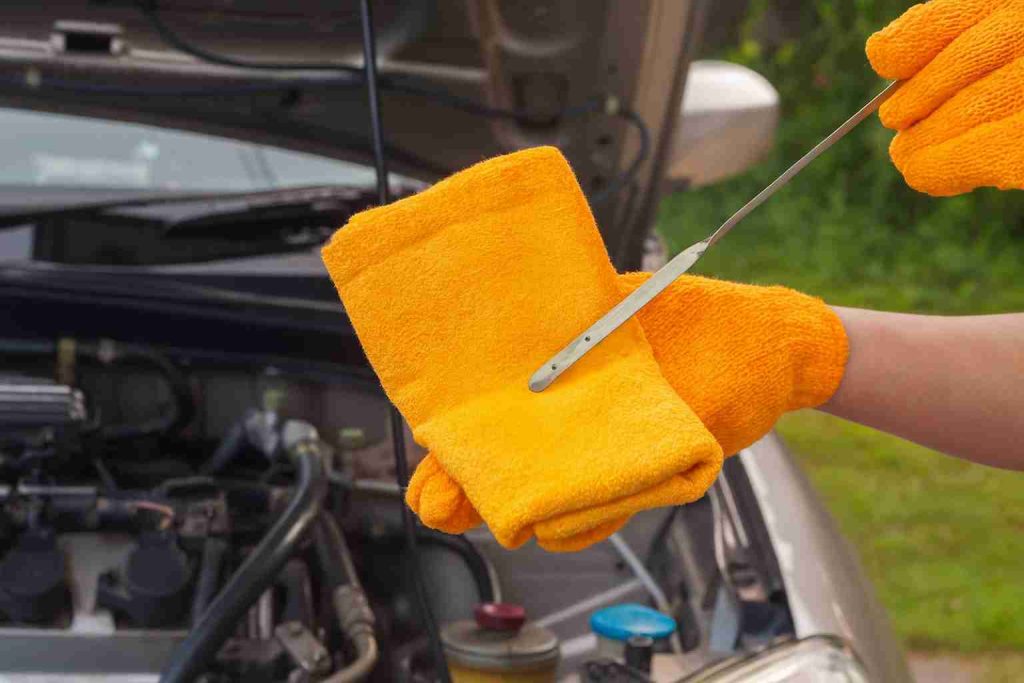
- Open the hood and locate the transmission dipstick (check your manual if unsure).
- Pull out the dipstick, wipe it clean, then reinsert it.
- Remove it again to see the fluid level and color.
- Healthy fluid: Bright red or pink and at the “Full” mark.
- Bad fluid: Brown, dark, or burnt-smelling.
- Low fluid: Below the “Add” or “Low” mark.
Always use the correct type of transmission fluid recommended for your car.
Preventing Low Transmission Fluid Problems
The best way to avoid these warning signs is regular maintenance.
- Check fluid regularly: Make it part of your monthly car routine.
- Look for leaks: Check your driveway or garage floor for spots.
- Service schedule: Follow your owner’s manual for transmission fluid changes.
- Drive gently: Avoid hard acceleration or towing heavy loads without the right fluid level.
Conclusion
Low transmission fluid is one of the most common causes of transmission trouble, and knowing the warning signs can save you from costly repairs. Symptoms such as slipping gears, delayed shifting, overheating, strange noises, fluid leaks, and poor acceleration are clear indicators that your car needs attention. These issues don’t improve on their own, and ignoring them often leads to complete transmission failure.
The best way to protect your vehicle is to stay proactive. Check fluid levels regularly, look for leaks, and schedule maintenance before problems escalate. By responding quickly to the first signs of low transmission fluid, you not only prevent major breakdowns but also keep your car running safely and smoothly. Paying attention now ensures longer vehicle life, lower repair bills, and greater peace of mind every time you drive.
FAQs
Why is my car slipping gears when I accelerate?
Slipping happens because there is not enough fluid to build the hydraulic pressure required to hold the gears in place firmly. This often feels like the engine is revving high, but the car is not speeding up proportionally to the RPMs. If you experience this hesitation, checking your fluid levels immediately is crucial to prevent burning out the clutches inside the transmission.
Why does my car jerk when shifting gears?
Rough shifting, jerking, or grinding noises indicate that low fluid levels are causing increased friction between metal parts. Without proper lubrication to coat the moving components, the gears struggle to engage smoothly. Dallas Metro Mobile Mechanic advises addressing these physical sensations early to avoid the high cost of a complete transmission rebuild due to internal metal wear.
What does a burning smell from my car mean?
A strong burning smell often means your transmission is overheating because low fluid levels cannot effectively cool the system during operation. This odor suggests the fluid itself is breaking down or internal components are scorching from excessive friction. Immediate inspection is necessary, as overheating is one of the fastest ways to permanently destroy a transmission.
What sound does a car make when transmission fluid is low?
You will likely hear strange noises such as whining, buzzing, or clunking, particularly when the car is shifting gears or driving at higher speeds. A high-pitched whine typically points to the transmission pump struggling to circulate the limited fluid available. Dallas Metro Mobile Mechanic recommends listening for these auditory cues as they are often the earliest warning before mechanical failure occurs.
What color is transmission fluid leaking under my car?
Transmission fluid leaks usually appear as bright red, pink, or brownish puddles located under the front or middle of the car. The fluid feels slick to the touch and often carries a slightly sweet or burnt smell depending on its condition. Identifying these spots on your driveway is a clear signal to check your fluid levels and seal the leak before the reservoir runs dry.
Can low transmission fluid cause slow acceleration?
Yes, low fluid limits the hydraulic pressure needed to transfer power from the engine to the wheels efficiently. This results in sluggish acceleration where the car feels unresponsive or “heavy” even when you press the gas pedal. Dallas Metro Mobile Mechanic notes that restoring proper fluid levels often resolves this power loss and restores the vehicle’s responsiveness in traffic.
Will low transmission fluid trigger the check engine light?
Modern vehicles often trigger the check engine light or a specific transmission temperature warning light if fluid levels drop too low. Sensors detect the resulting loss of pressure or increased heat and alert the driver that the system is struggling. Scanning the vehicle’s computer for error codes can confirm if low fluid is the specific culprit behind the dashboard warning.
Why is there a delay when shifting into drive or reverse?
A noticeable pause before the gear engages after moving the shifter from “Park” to “Drive” or “Reverse” is a classic symptom of low fluid. This hesitation occurs because the system takes longer to build enough hydraulic pressure to engage the gear mechanism. Ignoring this delay can lead to severe internal wear and eventually result in a vehicle that refuses to move at all.
How do I check transmission fluid levels correctly?
To check the fluid, park on level ground, keep the engine idling, and locate the transmission dipstick under the hood. Pull it out, wipe it clean, reinsert it, and check that the fluid level is at the “Full” mark and looks red or pink. If the fluid is dark, smells burnt, or is consistently low, Dallas Metro Mobile Mechanic suggests seeking professional service to identify the underlying issue.


