
The best way to prevent windshield cracks is to keep your distance from trucks, avoid sudden temperature changes, park in shaded or covered areas, and fix chips early before they spread. These cracks often start as a tiny dot, but if ignored, they can grow quickly, blocking your view, weakening your windshield, and leading to expensive repairs. Whether you’re commuting on the highway, parked under a tree, or driving through a construction zone, your windshield is always at risk.
In this guide, we’ll show you how to prevent windshield cracks before they start. You’ll learn real, practical strategies used by everyday drivers across the U.S., especially in places like Dallas, where road debris and extreme heat are common threats.
1. Why Windshield Cracks Are a Big Deal
Your windshield isn’t just a window, It’s part of your vehicle’s structure. When a windshield is cracked or weakened, it puts both the driver and passengers at greater risk. A damaged windshield can:
- Obstruct your vision
- Shatter more easily in a collision
- Fail to protect you in a rollover crash
Even a small chip can eventually grow into a dangerous crack if ignored. That’s why preventing cracks isn’t just about saving money. It’s about staying safe.
2. What Causes Most Windshield Damage?
Understanding the cause is the first step toward prevention. The most common reasons windshields crack include:
Flying Debris
Rocks, gravel, and road debris kicked up by other vehicles hit your windshield at high speed. These impacts create chips, which can later turn into cracks.
Temperature Fluctuations
Rapid changes from hot to cold (or vice versa) cause the glass to expand and contract, making small flaws grow quickly.
Road Construction Zones
Driving through active construction areas increases your chances of encountering loose debris.
Hail and Storms
Severe weather is especially dangerous to windshields. Hailstones or flying branches during storms can cause instant damage.
Improper Use of Wipers or Scrapers
Using metal tools or damaged wipers on ice or debris can scratch or chip your windshield.
3. Can a Small Chip Be Prevented from Spreading?
Yes, and in most cases, acting fast can keep a small chip from becoming a major crack. Temperature changes, road vibrations, and moisture can all make cracks spread quickly. But if you seal or repair a chip early, you can often avoid full replacement.
Quick action gives you control and saves you money.
4. How to Drive to Protect Your Windshield
Most windshield damage happens while driving. Here’s how to adjust your driving habits to prevent cracks:
Keep a Safe Distance
Don’t tailgate. Give yourself at least a three-second following distance. The farther back you are, the less likely you’ll get hit by flying rocks or debris from the vehicle in front of you.
Avoid Construction Zones
Use a navigation app that warns you about active construction. If you must drive through one, reduce your speed to avoid high-velocity debris impacts.
Be Cautious on Gravel Roads
Gravel roads are notorious for shooting small stones upward. If you can’t avoid them, drive slowly and try to stay in the center where debris is less likely to be disturbed.
Watch for Large Trucks
Dump trucks, haulers, and trailers often lose bits of gravel, metal, or other cargo. If you see one ahead, change lanes or fall back.
5. Parking Habits That Reduce Windshield Risks
Your car’s parked position can make a big difference in preventing cracks. Use these smart parking strategies:
Avoid Parking Under Trees
Branches, fruit, or even animals can drop debris that damages your glass.
Choose Covered or Indoor Parking
A garage or carport protects against hail, flying debris, and intense sunlight that can weaken the glass over time.
Face Away from the Sun
When parking outside, try to position your car so the windshield is not directly exposed to the sun for long periods. This reduces heat stress on the glass.
6. Seasonal Dangers to Watch Out For
Every season brings new windshield challenges. Here’s what to prepare for:
Winter
- Ice scrapers can chip the edges of the windshield.
- Defrosters that heat the glass too fast can cause cracks.
Tip: Use a windshield cover to avoid scraping ice.
Spring
- Hail and strong winds are common in many regions.
- Sudden rain showers can make debris stick to your windshield.
Tip: Regularly clean wiper blades and keep washer fluid full.
Summer
- Heat causes glass to expand, making chips spread.
- Parked cars bake under the sun, weakening the windshield.
Tip: Use a windshield sunshade and park in shade.
Fall
- Falling branches or acorns can hit your windshield.
- Leaf buildup traps moisture near the edges of the glass.
Tip: Brush leaves off your car daily to prevent moisture-related damage.
7. Protective Products That Actually Work
There are a few products you can use to give your windshield extra protection:
Windshield Protection Film
A clear film adds a protective layer that absorbs impacts from small debris. It doesn’t change the appearance of your windshield but reduces the risk of chips.
Water Repellent Treatments
Products like Rain-X make water bead up and slide off, improving visibility and making debris less likely to stick.
Windshield Sun Shades
These reflective shades reduce heat buildup inside your car and help prevent thermal stress on the windshield.
Windshield Covers
Especially useful in places like Dallas where hail and UV rays are frequent problems, covers can block direct exposure when parked outdoors.
8. How to Handle a Chip Immediately
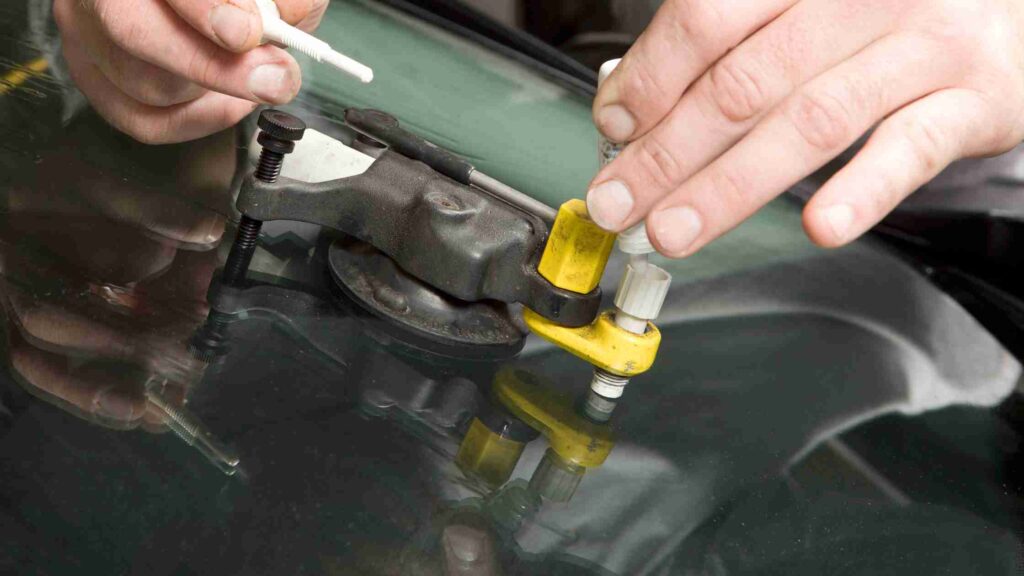
If you immediately spot a chip in your windshield, the best action is to stabilize the damage quickly to prevent it from spreading into a crack. You should avoid stressing the glass by not using your defroster or AC on high, as rapid temperature changes can cause the chip to expand. Also, don’t wash your car until the chip is fixed, because water and soap can seep into the flaw, making a professional repair more difficult. For a temporary fix, use an inexpensive chip repair kit from an auto parts store to seal the immediate damage, which blocks moisture and dirt. If the chip is large, directly in your line of sight, or if you’re unsure how to proceed, immediately call a professional; many auto glass shops offer free inspections and fast mobile repair services.
When You Should Call a Professional
If your windshield has a crack that is longer than six inches, reaches the edge of the glass, or is directly in your line of sight, it is time to call a professional. These issues, along with chips that are rapidly spreading or contaminated with dirt and moisture, exceed the capability of simple DIY repair kits. Dallas Metro Mobile Mechanic offers certified expertise and specialized equipment to handle serious damage, ensuring the repair restores the vehicle’s structural integrity and meets all safety standards for a lasting solution.
Final Thoughts: Stay Ahead of the Problem
Preventing windshield cracks isn’t complicated. It’s about making small changes in how you drive and where you park. Use protective tools like sunshades or windshield film, keep your distance from trucks, and take action right away if you spot a chip.
Don’t wait until it’s too late. A cracked windshield doesn’t just look bad, it puts your safety at risk. In cities with heavy traffic and unpredictable weather like Dallas, windshield protection is more important than ever.
Make prevention part of your routine, and you’ll save money, avoid stress, and stay safer every mile you drive.
FAQs
The fastest way to spot a spreading crack is a simple visual check. Look closely at the damage, especially from inside the car, under good lighting. Run your hand lightly over the area; you might feel the edges of the damage or a very thin line branching out. You can also lightly apply a small amount of window cleaner to the chip. If the liquid gets sucked into a thin, spidery line branching out from the center, it’s actively spreading. For a definitive answer and immediate, professional repair before it gets worse, schedule an inspection with Dallas Metro Mobile Mechanic right away. They use special tools to check the depth and structure of the flaw.
Extreme heat from the sun makes the glass expand quite a bit. Since the windshield glass is already weak at the chip’s location, the added tension from the expansion causes the flaw to break open and spread quickly into a full crack. This is very common in hot places like Dallas, especially in the summer. Think of it like pulling on a shirt that already has a tear. Using a windshield sunshade is a great defense. If you have a chip, avoid parking in direct sunlight until it’s fixed by an expert, like the mobile technicians at Dallas Metro Mobile Mechanic.
A very small chip (dime-sized or smaller) outside your main line of sight is usually safe for a short time, but a crack is dangerous. Any damage weakens the entire windshield, which is a structural safety component that helps support the roof in a rollover accident and ensures airbags deploy correctly. Driving with a large crack (longer than 6 inches or directly in your view) is illegal in many places and highly unsafe because it messes up your vision. You should get a mobile repair service, such as those provided by Dallas Metro Mobile Mechanic, to fix the damage immediately for safety and to keep you legal on the road.
Chip repair is much cheaper than a full windshield replacement. A small repair often costs between $50 and $150, and many car insurance companies will waive your deductible because repairing the chip saves them thousands of dollars on a future replacement. The cost depends on the size and location of the chip. A technician from a mobile service like Dallas Metro Mobile Mechanic can give you an exact quote on-site and can often handle the insurance claim paperwork for you, saving you both time and money over replacing the entire piece of glass.
Yes, absolutely. Rapid temperature changes are a primary cause of crack spreading. Blasting super-hot air from the defroster onto a freezing windshield, or ice-cold AC onto a windshield that has been baking in the sun, causes the glass to expand or contract too quickly. This sudden stress difference between the inner and outer surface will make any small flaw spread fast, often within minutes. To prevent this, use the defroster on a lower setting and warm up the cabin gradually. For repairs that guarantee structural integrity, trust Dallas Metro Mobile Mechanic.
Yes, road vibration is a big risk factor. When your car shakes over bumps, potholes, or rough gravel roads, the small but constant vibrations and stresses on the glass can cause the chip to fracture further and turn into a full crack. The pressure changes in the car and the flex of the frame all transfer to the glass. This is why immediate repair is key the sooner the chip is sealed and filled with a special resin, the more stable the glass becomes and the less likely it is to spread on the rough Dallas roads.
Windshield protection film is a clear, thin, durable layer made of a tough plastic-like material that is applied over the outside of your windshield, much like a screen protector for a phone. It works by absorbing the impact energy from small road debris and rocks, distributing the force across a wider area. It doesn’t stop every single piece of gravel, but it can significantly reduce the chance of a chip forming in the first place, or at least lessen the depth of the damage. This film can be a great investment if you frequently drive on highways.
A DIY kit is only effective for very small, fresh chips that are smaller than a quarter and haven’t spread yet. You should stop using the kit and immediately call a professional like Dallas Metro Mobile Mechanic if the damage is longer than 3 inches, has already started to spiderweb, is hitting the edge of the glass, or is directly in your primary line of sight. Professionals use stronger, higher-quality, specialized resins and vacuum tools for a permanent, clear fix that DIY kits just can’t match.
Parking in the shade is critical in summer because it prevents the huge heat buildup on your windshield. When glass gets extremely hot, it expands. If there’s a tiny chip or nick, this expansion puts intense, focused stress on that weak point, forcing it to crack open. Shade keeps the glass cooler and reduces this thermal stress, minimizing the chance a small chip will turn into a major headache. Parking in a garage or using a sunshade has a similar positive effect.
If you notice a chip while driving and can’t get it fixed by Dallas Metro Mobile Mechanic immediately, the most important thing is to keep moisture and dirt out. Put a small piece of clear packing tape or a piece of clear, strong duct tape over the damage. Make sure it’s completely dry before applying the tape. This acts as a temporary seal and is the key to preventing water and debris from entering the flawed area, which is what usually causes the crack to start spreading quickly.


