
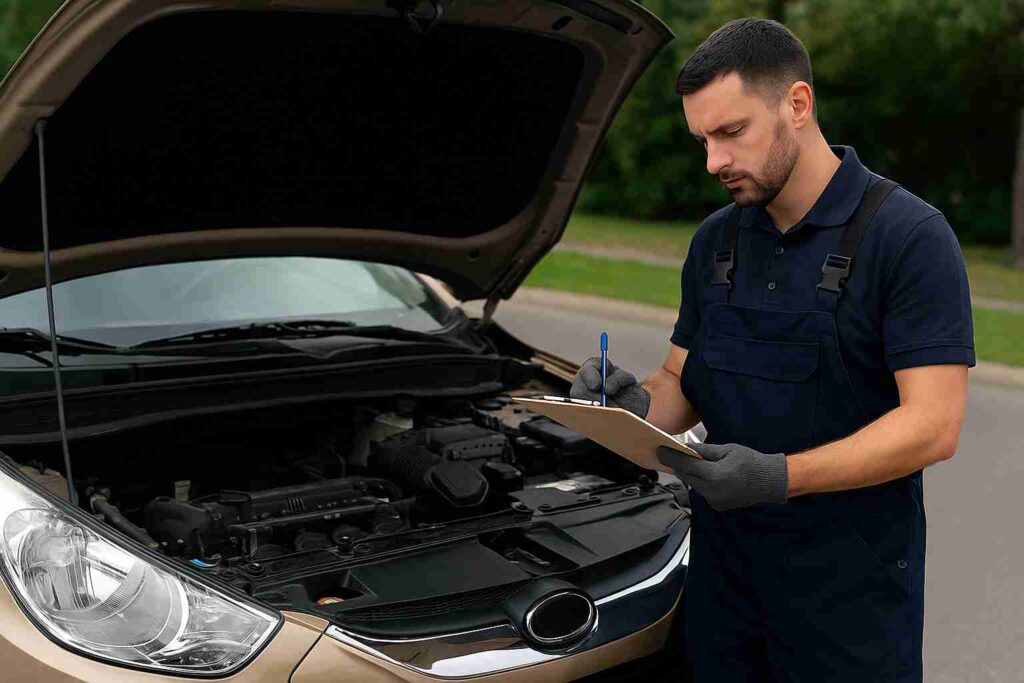
A mobile mechanic car inspection includes a complete check of your vehicle’s major systems, such as the engine, brakes, tires, suspension, and lights, all performed at your location. Instead of driving to a shop, a skilled mechanic comes to you to verify the car is safe and running well. This service is especially helpful when buying a used car, as it can uncover hidden problems like oil leaks or worn-out parts before you spend your money. By the end of the inspection, you get a detailed report on the car’s health, giving you the confidence to drive safely or negotiate a fair price.
Table of Contents
Why Mobile Mechanic Inspections Important
A mobile mechanic car inspection is more than just a quick look under the hood. It’s a thorough checkup that can catch small issues before they turn into big, expensive problems. Whether you’re buying a used car, maintaining your daily driver, or managing a fleet of vehicles, this service offers huge benefits. Here’s why it’s a game-changer:
- Convenience: No need to drive to a garage or wait in a lobby. The mechanic comes to your home, workplace, or even the seller’s location, saving you hours.
- Peace of Mind: Knowing your car is safe and reliable lets you drive without worrying about breakdowns or accidents.
- Cost Savings: Catching issues like low brake fluid or worn tires early can prevent costly repairs down the road.
- Better Decisions: For used car buyers, a detailed inspection report can reveal hidden problems, helping you negotiate a lower price or walk away from a bad deal.
- Safety First: A car with faulty brakes or bad tires isn’t just inconvenient—it’s dangerous. Inspections ensure your vehicle meets safety standards.
Unlike traditional garage inspections, mobile mechanics bring their tools and expertise to you, making the process faster and easier. Plus, many offer digital reports with photos, so you can see exactly what they found.
What’s Included in a Mobile Mechanic Car Inspection?
A mobile mechanic car inspection typically covers all the major systems of your vehicle, from the tires to the engine. While the exact checklist may vary slightly depending on the mechanic or service, most comprehensive inspections include the following categories. Here’s a detailed breakdown of what gets checked and why each part matters.
Exterior and Body Condition
The outside of your car isn’t just about looks, it can reveal clues about its history and safety. Mechanics inspect:
- Body Panels: They look for dents, scratches, rust, or mismatched paint, which could indicate past accidents or poor maintenance.
- Windshield and Windows: Cracks or chips can worsen over time and may fail safety standards.
- Lights: Headlights, brake lights, turn signals, and hazard lights are tested to ensure they work properly. Faulty lights can lead to tickets or accidents.
- Wiper Blades: Worn or cracked wipers can smear your windshield, making it hard to see in rain or snow.
- Mirrors: Side and rearview mirrors are checked for cracks or damage, as they’re critical for safe driving.
Why It Matters: A damaged body or faulty lights can make your car unsafe or lower its resale value. Catching these issues early helps you avoid surprises.
Tires and Wheels
Your tires are your car’s connection to the road, so they get special attention during an inspection.
- Tread Depth: Mechanics measure how much tread is left to ensure your tires grip the road safely.
- Tire Pressure: Under- or over-inflated tires can cause blowouts or reduce fuel efficiency.
- Tire Wear: Uneven wear might signal alignment or suspension problems.
- Spare Tire: If your car has one, it’s checked to make sure it’s ready for emergencies.
- Wheels: Rims are inspected for cracks or bends that could affect handling.
Why It Matters: Bad tires can lead to skids, flats, or accidents, especially in bad weather. Proper tire maintenance keeps you safe and saves money on gas.
Brakes
Brakes are one of the most critical safety systems, so mechanics take a close look.
- Brake Pads and Rotors: They measure pad thickness and check rotors for wear or damage.
- Brake Fluid: Low or dirty fluid can reduce braking power.
- Brake Lines: Leaks or cracks in the lines can cause brake failure.
- Emergency Brake: It’s tested to ensure it holds the car in place.
Why It Matters: Worn brakes can make stopping slow or impossible, putting you and others at risk. Fixing brake issues early prevents bigger repair bills.
Engine and Under the Hood
The engine is your car’s heart, and a mobile mechanic will check every part of it.
- Fluid Levels: Oil, coolant, brake fluid, power steering fluid, and windshield washer fluid are checked and topped off if needed.
- Belts and Hoses: These are inspected for cracks, fraying, or leaks that could cause breakdowns.
- Battery: The mechanic tests the battery’s charge and checks for corrosion on terminals.
- Air Filter: A dirty filter can hurt fuel efficiency and engine performance.
- Cooling System: Radiators and hoses are checked for leaks or blockages that could cause overheating.
Why It Matters: Engine problems can leave you stranded or lead to expensive repairs. Regular checks keep your car running smoothly.
Steering and Suspension
These systems control how your car handles and rides.
- Steering Components: The steering wheel, rack, and tie rods are checked for looseness or wear.
- Shocks and Struts: Worn shocks can make your ride bumpy and affect control.
- Alignment: Misaligned wheels can cause uneven tire wear and poor handling.
Why It Matters: Faulty steering or suspension can make driving difficult or dangerous, especially at high speeds or on curvy roads.
Transmission and Drivetrain
The transmission sends power from the engine to the wheels, and it’s thoroughly inspected.
- Transmission Fluid: Low or dirty fluid can cause shifting problems.
- Clutch (Manual Cars): The clutch is tested for smooth operation.
- Driveshaft and CV Joints: These are checked for wear or damage that could affect power delivery.
Why It Matters: Transmission issues can be costly to fix. Early detection keeps your car driving smoothly.
Exhaust System
The exhaust system reduces noise and emissions while keeping your car running efficiently.
- Muffler and Pipes: These are checked for rust, holes, or loud noises.
- Catalytic Converter: It’s inspected to ensure it’s working and not clogged.
Why It Matters: A damaged exhaust can fail emissions tests, lower fuel economy, or even cause harmful fumes to enter the car.
Interior and Safety Features
The inside of your car is just as important as the outside.
- Seat Belts: They’re tested to ensure they lock and retract properly.
- Horn: A quick honk confirms it’s working.
- Dashboard Lights: Warning lights (like check engine or ABS) are checked for errors.
- Air Conditioning and Heater: These are tested to keep you comfortable in any weather.
Why It Matters: Safety features like seat belts and horns are critical for protecting you and your passengers.
Road Test
Most mobile mechanics finish with a short drive to test how the car performs.
- Handling: They check for pulling, vibrations, or steering issues.
- Braking: The brakes are tested for responsiveness.
- Noises: Strange sounds like grinding or squealing are noted.
- Performance: The mechanic ensures the car accelerates and shifts smoothly.
Why It Matters: A road test reveals problems that might not show up in a stationary check, giving you a full picture of the car’s condition.
Benefits of a Comprehensive Inspection
Now that you know what’s included, let’s talk about why a mobile mechanic car inspection is worth your time and money. The results go far beyond a simple checklist—they can transform how you manage your car.
- Avoid Costly Repairs: Spotting a small leak or worn brake pad early can save you hundreds or thousands compared to fixing a major failure.
- Stay Safe on the Road: A car with working brakes, tires, and lights is less likely to cause accidents, keeping you and your family safe.
- Boost Resale Value: If you’re selling your car, a clean inspection report shows buyers it’s been well-maintained, helping you get a better price.
- Negotiate Like a Pro: For used car buyers, an inspection report gives you leverage to ask for repairs or a lower price if issues are found.
- Comply with Regulations: In states with mandatory safety or emissions tests, an inspection ensures your car meets the rules, avoiding fines or failed tests.
- Plan Ahead: Knowing what repairs are needed lets you budget for them instead of being hit with surprise expenses.
These benefits make mobile inspections a smart choice for anyone who wants to drive with confidence.
How to Prepare for a Mobile Mechanic Inspection
To get the most out of your inspection, a little prep goes a long way. Here’s how to set yourself up for success:
- Clean Your Car: A tidy car makes it easier for the mechanic to spot issues like leaks or rust.
- Note Any Problems: Write down any noises, warning lights, or handling issues you’ve noticed to share with the mechanic.
- Check Access: Ensure the car is parked in a spot where the mechanic can work easily, like a driveway or open lot.
- Ask Questions: If you’re buying a used car, ask the seller if they’ll allow an inspection. Most honest sellers will agree.
- Request a Report: Ask for a detailed written or digital report with photos so you can review the findings later.
By preparing, you help the mechanic do their best work, which means better results for you. It’s a small effort that pays off big.
Common Issues Found During Inspections
Mobile mechanic inspections often uncover problems that drivers didn’t even know about. Here are some of the most common issues and what they mean:
- Worn Brake Pads: Thin pads reduce stopping power and can damage rotors if not replaced.
- Low Tire Tread: Bald tires increase the risk of skids or blowouts, especially in wet conditions.
- Leaky Fluids: Oil, coolant, or brake fluid leaks can lead to engine damage or brake failure.
- Dead Battery: A weak battery might leave you stranded or fail to start the car.
- Faulty Lights: Burned-out bulbs can lead to tickets or make night driving dangerous.
- Check Engine Light: This could signal anything from a loose gas cap to a serious engine issue.
- Worn Belts or Hoses: Cracked belts or leaky hoses can cause breakdowns or overheating.
When these issues are caught early, they’re usually easy and affordable to fix. The mechanic will explain each problem and recommend next steps, so you’re never left guessing.

Conclusion: Drive with Confidence
A mobile mechanic car inspection is like a health checkup for your vehicle. It gives you a clear, detailed picture of what’s working, what needs attention, and how to keep your car safe and reliable. From checking tires and brakes to testing the engine and lights, the full checklist ensures nothing is overlooked. The benefits of saving money, staying safe, and making smart car-buying decisions are hard to beat. Plus, with the convenience of a mechanic coming to you, it’s easier than ever to get this done. Whether you’re a daily commuter, a used car shopper, or a fleet manager, a mobile inspection from a trusted expert like Dallas Metro Mobile Mechanic is a small investment that delivers big results.
FAQs
What is included in a mobile mechanic car inspection full checklist?
A comprehensive inspection covers every major system to ensure vehicle health and safety. This includes a detailed examination of the exterior body panels for past accident damage, a check of tire tread depth and pressure, and a rigorous assessment of the braking system including pads, rotors, and lines. Under the hood, mechanics inspect fluid levels, belts, hoses, and the battery, while also evaluating the transmission, steering, suspension, and exhaust systems. Leading providers like Dallas Metro Mobile Mechanic ensure no component is overlooked, providing a complete picture of the vehicle’s condition from the engine to the interior safety features.
Is a mobile mechanic inspection worth it before buying a used car?
Yes, a pre-purchase inspection is a critical step that helps buyers avoid inheriting expensive hidden problems. By identifying issues like worn brakes, leaky engines, or transmission faults before money changes hands, you gain leverage to negotiate a fairer price or walk away from a bad deal. Services such as Dallas Metro Mobile Mechanic provide the peace of mind needed to make a smart investment, ensuring the vehicle is safe and reliable rather than just visually appealing.
Does a mobile mechanic inspection save money on future repairs?
Investing in an inspection upfront often saves thousands of dollars in the long run by catching small issues before they escalate into catastrophic failures. Detecting low brake fluid, worn tires, or minor engine leaks early allows for affordable maintenance rather than costly emergency repairs or engine replacements. A thorough checkup transforms potential surprise expenses into manageable maintenance, protecting your budget and extending the vehicle’s lifespan.
Can a mobile mechanic inspect a car at my work or the seller's location?
One of the primary advantages of this service is unmatched convenience because the mechanic travels directly to your home, workplace, or the seller’s address. This eliminates the need to coordinate drop-offs at a garage or wait in a lobby, saving you hours of time. Dallas Metro Mobile Mechanic brings professional tools and expertise directly to the vehicle’s location, making it easier to inspect a car you are planning to buy without disrupting your schedule or the seller’s day.
What are the most common problems found during a mobile car inspection?
Inspections frequently uncover safety and maintenance issues that are not immediately visible to the untrained eye. Common findings include worn brake pads that reduce stopping power, low tire tread which risks blowouts, and fluid leaks from the oil, coolant, or braking systems. Mechanics also regularly identify dead or corroded batteries, faulty exterior lights, and worn belts or hoses, providing a clear list of immediate repairs needed to ensure the car is road-worthy.
Is a mobile mechanic inspection faster than taking a car to a shop?
Mobile inspections are significantly more efficient because they remove the travel and waiting time associated with traditional repair shops. Since the mechanic arrives at your location fully equipped, the inspection process begins immediately without the delays of shop queues or shuttle services. While the inspection itself is thorough and unhurried to ensure accuracy, the overall process is streamlined to fit seamlessly into your day, getting you back on the road or closing a deal faster.
Do mobile mechanics provide a written report with photos after inspection?
Modern mobile mechanics typically provide a detailed digital report that breaks down the condition of every system checked. These reports often include photographs of any defects found, such as rusted undercarriages or leaking fluids, giving you visual proof of the car’s health. Dallas Metro Mobile Mechanic prioritizes transparency by offering clear, documented findings that help you understand exactly what repairs are needed and why.
How should I prepare my car for a mobile mechanic inspection?
To ensure the most accurate inspection, clean your vehicle’s interior and exterior to make it easier for the mechanic to spot rust, leaks, or cosmetic damage. Ensure the car is parked on a flat, accessible surface like a driveway or open lot with enough room for the mechanic to work. Additionally, compile a list of any weird noises, warning lights, or handling quirks you have noticed so the mechanic can pay special attention to those specific concerns during the checkup.
Does a mobile mechanic check the transmission and suspension systems?
Yes, the transmission and suspension are vital components of the standard inspection checklist. Mechanics check transmission fluid levels and quality, and test the clutch or shifting smoothness during a road test to ensure power delivery is consistent. Simultaneously, the suspension system including shocks, struts, and alignment is evaluated to detect any wear that could cause uneven tire wear or poor handling, ensuring the vehicle drives safely and comfortably.
Can I use a mechanic's inspection report to negotiate a used car price?
An inspection report is a powerful negotiation tool that provides objective evidence of a vehicle’s true value. If the inspection reveals necessary repairs like new tires or brake work, you can use the report to request that the seller fix the issues or lower the asking price to cover the repair costs. This factual leverage prevents you from overpaying and ensures you are only paying for the actual condition of the car, not just the seller’s claims.


