
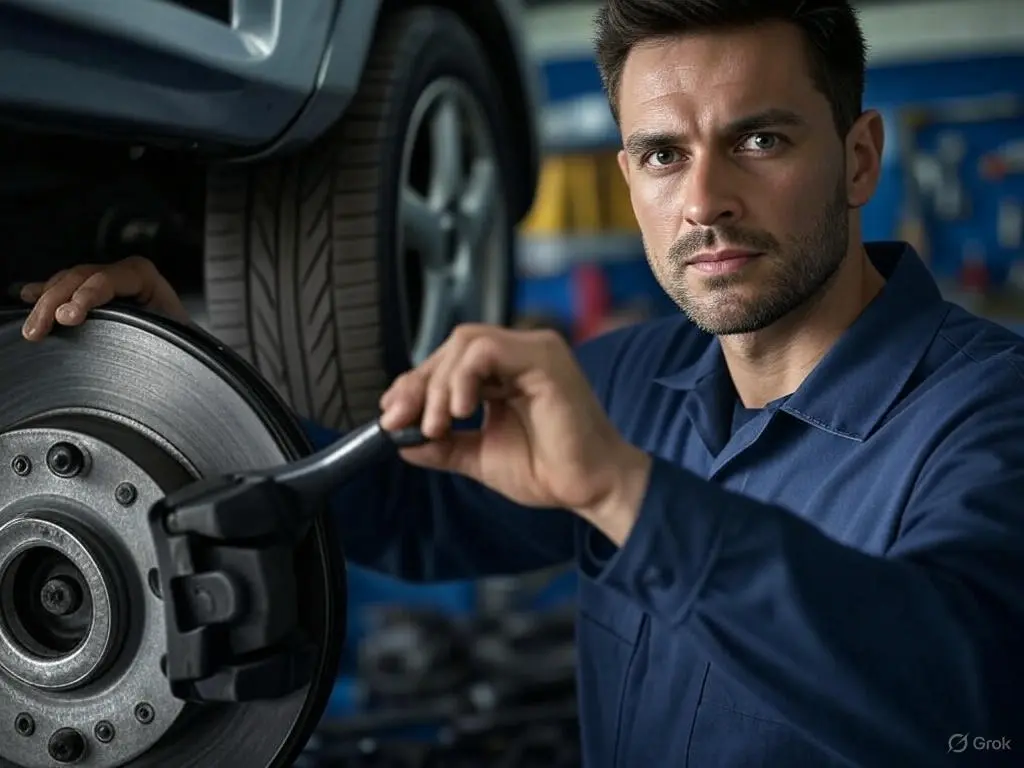
Navigating Dallas highways and heavy congestion requires a fully responsive brake system. Ignoring early warning signs such as high-pitched squealing, grinding noises, or a soft brake pedal significantly increases accident risks and turns minor maintenance into expensive repairs. Identifying brake pad wear early prevents rotor damage and reduces long-term service costs. This guide outlines the critical signs your vehicle requires brake repair in Dallas and actionable steps to maintain safety.
Table of Contents
Why Brake Maintenance is Critical in Dallas
Dallas driving conditions involve frequent heavy braking on major routes like I-635 and congested downtown intersections. This constant stop-and-go traffic accelerates brake wear significantly faster than average. Neglecting maintenance risks safety and escalates repair costs. For example, failing to replace worn brake pads often leads to rotor damage, transforming a minor service into an expensive system overhaul. Furthermore, worn brakes are a common cause of failed Texas state vehicle inspections. Proactive brake care ensures reliable stopping power and prevents avoidable financial penalties.
Common Brake Problems for Dallas Drivers
Unique environmental factors in Dallas place exceptional strain on vehicle brake systems. Extreme summer heat leads to rapid brake fluid degradation, while ubiquitous construction dust and heavy traffic accelerate brake pad wear. Identifying these specific challenges allows drivers to detect mechanical failure early. The following sections detail the most frequent brake issues affecting vehicles in the Dallas area.
Key Signs Your Brakes Need Attention
Your vehicle often gives clear signals when its brakes are struggling. Catching these signs early can prevent bigger issues and keep you safe on Dallas roads. Here are the top warning signs to watch for, along with what they mean and why they matter.
1. Squeaking or Squealing Noises
If your brakes squeak or squeal when you press the pedal, it’s usually a sign that your brake pads are wearing thin. Most brake pads have a built-in metal indicator that creates this noise when they’re nearing the end of their life. In Dallas, where stop-and-go traffic is common, worn pads can wear out faster than you expect.
What to do: Don’t ignore the noise, even if your car still stops. Squealing brakes often mean you have a few hundred miles left before serious damage occurs. Schedule a brake inspection to replace the pads and avoid grinding into your rotors, which can double repair costs.
Why it matters: Fixing squeaky brakes early is one of the easiest ways to save money and keep your vehicle safe. A quick pad replacement can prevent a $500 rotor repair down the line.
2. Grinding or Metal-on-Metal Sounds
A grinding noise when braking is a red flag. This usually means your brake pads are completely worn out, and the metal backing is scraping against your rotors. Driving with grinding brakes can damage rotors beyond repair, leading to a full system overhaul.
What to do: Stop driving as soon as it’s safe and have your vehicle towed to a repair shop. Continuing to drive risks ruining your rotors and compromising your ability to stop.
Why it matters: Grinding brakes can turn a $200 repair into a $1,000 nightmare. In Dallas, where sudden stops are common, this issue can also put you and others at risk.
3. Soft or Spongy Brake Pedal
Does your brake pedal feel soft, mushy, or sink to the floor when you press it? This could point to low brake fluid, air in the brake lines, or a failing master cylinder. Dallas’s humid climate can cause moisture to build up in brake fluid, reducing its effectiveness over time.
What to do: Check your brake fluid level under the hood (consult your owner’s manual if unsure). If it’s low, top it off with the correct fluid type and schedule a professional inspection to find the root cause, like a leak or worn seals.
Why it matters: A spongy pedal means your brakes may not respond quickly in an emergency. Addressing this issue restores reliable stopping power, keeping you safe in Dallas’s unpredictable traffic.
4. Vibrations or Shaking When Braking
If your steering wheel or brake pedal shakes when you stop, your rotors may be warped. This happens when brakes overheat, often from frequent hard stops in heavy Dallas traffic or riding the brakes on long descents, like exiting highways.
What to do: Have your rotors inspected. They may need resurfacing or replacement, depending on the damage. A professional can also check for uneven brake pad wear or alignment issues.
Why it matters: Warped rotors reduce braking efficiency and can strain other parts of your vehicle, like the suspension. Fixing this ensures smooth, safe stops.
5. Brake Warning Light on Dashboard
Most modern vehicles have a brake warning light that looks like an exclamation point inside a circle or the word “BRAKE.” If this light comes on, it could mean low brake fluid, worn pads, or an issue with the anti-lock brake system (ABS).
What to do: Don’t ignore the light. Check your brake fluid level and look for leaks under the vehicle. Then, take your car to a mechanic for a full diagnostic to pinpoint the issue.
Why it matters: The brake warning light is your car’s way of shouting for help. Acting quickly can prevent a small problem from becoming a major safety hazard.
6. Car Pulls to One Side When Braking
If your vehicle veers left or right when you brake, it could mean uneven brake pad wear, a stuck caliper, or contaminated brake fluid. Dallas’s dusty roads can cause debris to build up in brake components, leading to uneven performance.
What to do: Have a mechanic inspect your brake calipers, pads, and fluid. They may need to clean or replace parts to restore even braking.
Why it matters: Pulling brakes can make it harder to control your vehicle, especially in wet or icy conditions. Fixing this ensures safe, predictable handling.
How Often Should You Check Your Brakes?
Brake wear depends on your driving habits, vehicle type, and Dallas’s demanding road conditions. As a rule of thumb, have your brakes inspected every 6 months or 6,000 miles, whichever comes first. If you frequently drive in heavy traffic, tow heavy loads, or make short trips around town, your brakes may wear out faster.
Pro tip: Many Dallas auto shops offer free brake inspections, especially during seasonal promotions. Take advantage of these to catch issues early and avoid surprises.
What Happens During a Brake Repair?
Understanding the brake repair process can ease your mind and help you make informed decisions. Here’s what typically happens when you take your vehicle in for brake service:
- Inspection: A mechanic checks your brake pads, rotors, calipers, fluid, and lines for wear or damage. They’ll also test your brake performance to confirm the issue.
- Diagnosis: The mechanic explains what’s wrong, which parts need repair or replacement, and how much it’ll cost. They may show you worn parts to clarify the problem.
- Repair: Common repairs include replacing brake pads, resurfacing or replacing rotors, flushing brake fluid, or fixing leaks. Most jobs take 1-3 hours, depending on the issue.
- Testing: After repairs, the mechanic tests your brakes to ensure they work properly. You’ll get a report on what was done and any follow-up recommendations.
Why it matters: Knowing what to expect helps you avoid unnecessary repairs and ensures your vehicle is safe to drive. Always ask for a detailed explanation of the work done.

How to Choose a Reliable Brake Repair Shop in Dallas
Dallas has hundreds of auto shops, but not all are equal. To find a trustworthy brake repair service, look for these qualities:
- Certified Technicians: Choose a shop with ASE (Automotive Service Excellence) certified mechanics who specialize in brake systems.
- Transparent Pricing: A good shop provides clear estimates upfront and explains all charges. Avoid places that push unnecessary services.
- Customer Reviews: Check Google or Yelp for reviews from other Dallas drivers. Look for consistent praise for honesty, quality, and speed.
- Warranty: Reputable shops offer warranties on parts and labor, typically 12 months or 12,000 miles. This protects you if something goes wrong.
- Convenience: Look for shops with flexible hours or locations near you, especially if you’re juggling a busy Dallas schedule.
How Brake Repairs Save You Money in the Long Run
Investing in timely brake repairs can save you thousands over your vehicle’s life. Here’s how:
- Prevent Major Damage: Replacing worn pads early avoids rotor or caliper damage, which can cost 2-3 times more.
- Improve Fuel Efficiency: Faulty brakes can drag, forcing your engine to work harder and burn more gas. Fixing them boosts your MPG.
- Extend Vehicle Life: Well-maintained brakes reduce strain on your suspension, tires, and transmission, keeping your car running longer.
- Avoid Fines: Faulty brakes can lead to failed inspections or tickets, especially during Dallas’s strict safety checks.
Real-world example: A Dallas driver who replaced their squeaky brake pads for $150 avoided a $600 rotor replacement by acting early. Small fixes now mean big savings later.
Tips to Extend Your Brakes’ Life
While Dallas’s roads can be tough on brakes, you can take steps to make them last longer:
- Drive Smoothly: Avoid sudden stops and aggressive driving, which wear out pads faster. Ease into stops, especially in traffic.
- Lighten Your Load: Extra weight from cargo or towing puts more stress on brakes. Clear out unnecessary items from your trunk.
- Check Fluid Regularly: Brake fluid absorbs moisture over time, especially in Dallas’s humidity. Have it flushed every 2 years or 30,000 miles.
- Avoid Overheating: Don’t “ride” the brakes on long descents or in traffic. Use engine braking or lower gears when possible.
Why it matters: These habits can add thousands of miles to your brake life, saving you money and reducing repair trips.
When to Act: Don’t Wait for Disaster
Brake problems don’t fix themselves, and waiting can turn a minor issue into a major expense – or worse, a safety hazard. If you notice any of the signs above, take action immediately. Dallas’s fast-paced roads demand reliable brakes, and a small repair today can prevent a big problem tomorrow.
Next steps:
- Schedule a brake inspection with a trusted Dallas shop.
- Keep an ear out for unusual noises or changes in brake feel.
- Bookmark this guide for quick reference when you suspect trouble.
Conclusion: Drive Safe and Stay Ahead of Brake Issues
Ignoring brake malfunctions poses significant safety risks and financial liabilities. Vehicles display clear warning signals that allow for affordable repairs before damage escalates. Prioritizing timely maintenance ensures confidence on demanding local roads. Trusting authorities like Dallas Metro Mobile Mechanic for regular inspections helps drivers identify issues early. Proactive care guarantees reliable stopping power and prevents costly mechanical failures.
FAQ
Why do my brakes squeak in Dallas traffic?
A high-pitched squealing sound usually indicates that your brake pads are wearing thin and the built-in metal safety indicator is exposed. In heavy stop-and-go traffic, this noise is a critical early warning that you have limited mileage left before the pads are completely gone. Addressing this promptly prevents the metal backing from grinding against the rotors, which saves you from expensive system repairs later.
What does a grinding noise when braking mean?
A grinding metal-on-metal sound signifies that your brake pads are completely worn out and the metal backing plate is actively destroying your rotors. This is a severe safety hazard that compromises stopping power and dramatically increases repair costs. Experts at Dallas Metro Mobile Mechanic recommend stopping the vehicle immediately to avoid catastrophic damage to the caliper and rotor system.
Why does my brake pedal feel soft and spongy?
A soft or mushy pedal often points to air trapped in the brake lines, a failing master cylinder, or moisture buildup in the brake fluid caused by humidity. This reduces hydraulic pressure, making it difficult to stop quickly during emergencies. A certified technician from Dallas Metro Mobile Mechanic can test your fluid levels and inspect the hydraulic system to restore firm, reliable braking response.
Why does my steering wheel shake when I brake?
Vibrations in the steering wheel or brake pedal typically indicate warped rotors caused by overheating from friction. This is common in the area due to frequent sudden stops on highways or riding the brakes on long exit ramps. Resurfacing or replacing the rotors is necessary to eliminate the shaking and ensure the brake pads make even contact for safe, smooth stops.
How often should I get a brake inspection in Dallas?
Due to the intense heat and congestion characteristic of the area, it is highly recommended to have your brakes inspected every six months or 6,000 miles. Frequent stop-and-go driving accelerates wear, so catching issues like thin pads early is crucial for safety. Many drivers rely on Dallas Metro Mobile Mechanic for these routine checks to ensure their vehicle remains safe without disrupting their daily schedule.
Why does my car pull to one side when braking?
If your vehicle veers left or right while stopping, it often indicates a stuck caliper, uneven brake pad wear, or a collapsed brake hose restricting fluid flow to one side. Debris from local construction and dusty roads can exacerbate these mechanical issues. A professional diagnostic is required to clean, lubricate, or replace the affecting components to restore balanced, straight-line braking.
Is it expensive to repair brakes in Dallas?
The cost of brake repair varies significantly based on when you catch the problem; replacing worn pads is a minor expense compared to a full rotor and caliper replacement caused by neglect. Proactive maintenance is the best financial strategy to keep costs down. Honest providers like Dallas Metro Mobile Mechanic offer transparent pricing to help you fix minor issues like worn pads before they become wallet-draining emergencies.
What causes brake fluid to go bad?
Brake fluid is hygroscopic, meaning it naturally absorbs moisture from the air, which is a significant issue in humid climates. Over time, this trapped moisture lowers the fluid’s boiling point and can corrode internal brake parts, leading to dangerous brake fade. Regularly flushing the fluid every two years or 30,000 miles is essential to maintain proper hydraulic performance and vehicle safety.
What does the brake warning light on my dash mean?
The brake warning light generally illuminates to signal low brake fluid, worn-out pads, or a malfunction in the Anti-Lock Brake System (ABS). It is a critical alert from your vehicle’s computer that safety systems are compromised and should never be ignored. Diagnostic services from Dallas Metro Mobile Mechanic can quickly pinpoint the specific electrical or mechanical fault triggering the light to get you back on the road safely.
How does Dallas heat affect my car brakes?
Extreme ambient temperatures combined with the friction from heavy traffic cause brake components to operate at much higher heat levels, leading to accelerated pad wear and potential rotor warping. This intense heat can also degrade brake fluid much faster than in cooler environments. Using high-quality parts and monitoring performance during summer months is vital for maintaining consistent stopping power.


