
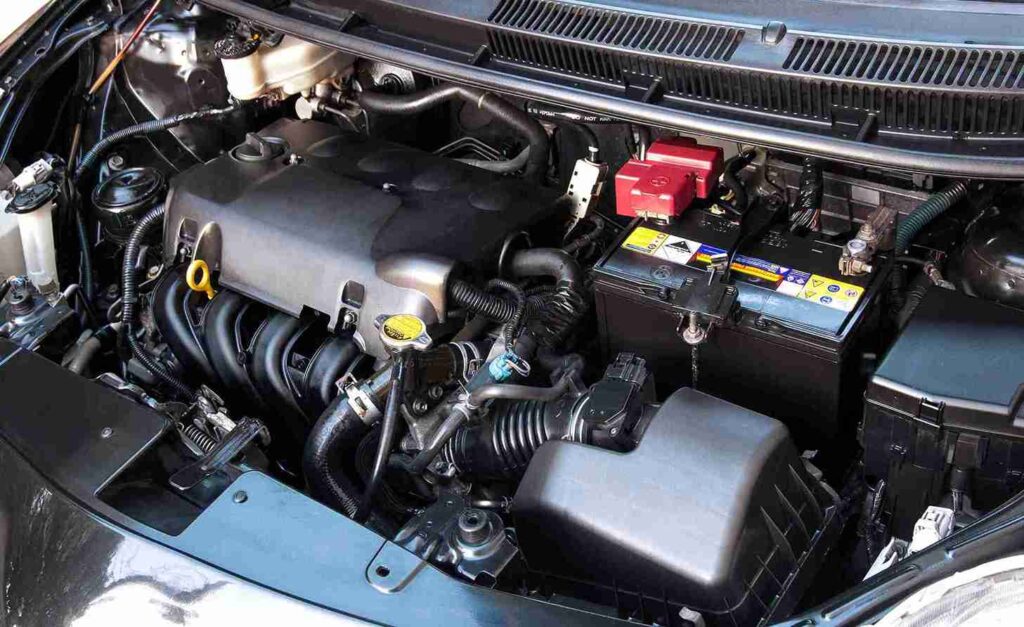
Why Car Batteries Fail More Often in City Traffic
Car batteries are put under extra strain in stop-and-go traffic. Dallas drivers deal with frequent red lights, air conditioning use during hot summers, and long idling times. All of this creates heavy electrical demand on the battery. Unlike long highway drives, where the alternator has time to fully recharge the battery, city driving can slowly drain it. Over time, this leads to weakened performance and eventually complete failure. Knowing the warning signs your car battery is giving up can help you take action before you’re left waiting for a tow truck.
1. Slow Engine Crank
When you turn the key and the engine turns over slowly, it’s one of the clearest warning signs your car battery is struggling. This happens because the battery can no longer supply enough power to the starter motor. If you notice your car hesitating before it starts, don’t ignore it. Even if it eventually starts, this is a strong signal that the battery is nearing the end of its life.
Why it matters for Dallas drivers: Sitting in heavy traffic and shutting off your engine at a stop can make it even harder to restart a weak battery.
2. Dim Headlights and Interior Lights
A healthy car battery keeps your lights bright and steady. If your headlights look unusually dim or your dashboard lights flicker, it’s likely the battery can’t keep up with electrical demand. This can be dangerous when driving at night, especially in fast-moving Dallas traffic where visibility is essential.
You may try our Service: Professional Battery Replacement
What to do: If you notice dim or flickering lights, schedule a battery test. Catching it early can save you from losing power completely.
3. Electrical Issues with Accessories
Modern vehicles rely heavily on battery power for features like radio, power windows, air conditioning, and phone charging ports. If these accessories work inconsistently or stop functioning altogether, it often points to a weak or failing battery.

Why it’s important: Losing access to air conditioning in Dallas heat is more than uncomfortable—it can be dangerous, especially during long commutes or when traveling with children or pets.
4. Clicking Noise When Starting the Car
When you turn the key and only hear a clicking sound, the battery may not have enough charge to engage the starter motor. This symptom can appear suddenly, even if your car seemed fine earlier in the day.
Tip: If this happens, avoid multiple attempts that could damage the starter. Have the battery tested or replaced right away.
5. Dashboard Warning Light
Most cars have a battery-shaped warning light on the dashboard. If this light comes on, it usually means the charging system isn’t working properly. This could be due to the battery, alternator, or wiring. While not every instance means the battery itself is failing, ignoring the warning can quickly lead to a car that won’t start.
Dallas traffic risk: A sudden stall during rush hour can create not only inconvenience but also safety hazards.
6. Frequent Jump-Starts Needed
If you find yourself reaching for jumper cables more than once every few months, that’s a strong indicator that your battery is on its last leg. Even if the car starts after a jump, batteries that can’t hold a charge are unreliable.
Why prevention is better: Relying on jump-starts in busy Dallas areas is risky. It’s better to replace a weak battery than to hope it lasts one more day.
7. Corroded or Leaking Battery Terminals
Pop the hood and look at your battery terminals. If you see white, chalky residue or signs of leakage, your battery may be damaged or losing capacity. Corrosion blocks electrical flow, which makes it harder for your car to start and power accessories.
What Dallas drivers should know: Heat speeds up corrosion, making it more common in Texas summers. Regularly cleaning and inspecting the terminals can help extend the life of your battery.
8. Unusual Odors from the Battery
A failing car battery can sometimes emit a rotten egg smell due to leaking gases. If you notice this odor after opening the hood, it’s a serious red flag that the battery is compromised.
Safety tip: Never ignore unusual smells. They may indicate chemical leaks that require immediate attention to avoid damage to your vehicle or harm to you.
9. Swollen Battery Case
Heat and internal damage can cause the battery casing to swell or bulge. A swollen battery is unsafe to use and should be replaced right away.
Why it’s urgent: Dallas summers can get extremely hot, which increases the chance of this happening. Driving with a swollen battery puts you at risk of leaks or sudden failure.
10. Old Battery Age
Even if your car hasn’t shown other symptoms, age alone can be a warning sign your car battery is nearing failure. Most car batteries last between three to five years. If yours is older, it’s smart to have it tested regularly, especially before long drives or during peak summer heat.
Quick reminder: Keeping track of your battery’s installation date helps you avoid unexpected breakdowns.
How to Respond When You Notice Warning Signs
Recognizing the warning signs that your car battery is failing is the first step. Acting on them quickly can save you time, money, and stress. If you notice multiple symptoms, don’t delay testing or replacing the battery. In many cases, auto parts stores and service centers can check your battery for free.
Proactive steps you can take:
- Schedule regular battery checks, especially before summer and winter.
- Clean and inspect battery terminals for corrosion.
- Avoid leaving accessories running when the engine is off.
- Consider replacing the battery after 3–5 years, even if it seems fine.
Benefits of Acting Early
Dallas traffic is unpredictable, and the last place you want your car to fail is in the middle of a busy intersection. By paying attention to the warning signs your car battery is giving, you benefit in several ways:
- Avoid roadside breakdowns that leave you stranded.
- Save money by preventing damage to other parts of the car, such as the alternator and starter.
- Increase safety by ensuring your lights and safety systems function properly.
- Gain peace of mind knowing your car will start reliably every time.
Final Thoughts
Your car battery rarely fails without warning. From dim headlights to slow engine cranking, these clues are your car’s way of telling you it needs attention. For Dallas drivers, where traffic conditions can already be stressful, ignoring these signs only increases the risk of being stranded at the worst possible time. By recognizing and acting on the warning signs that your car battery is about to fail, you can stay ahead of trouble, keep your daily commute smooth, and ensure your vehicle remains safe and dependable.


